Honoring the Final Journey: Social Fabrics and Cultural Customaries in India
Wiki Article
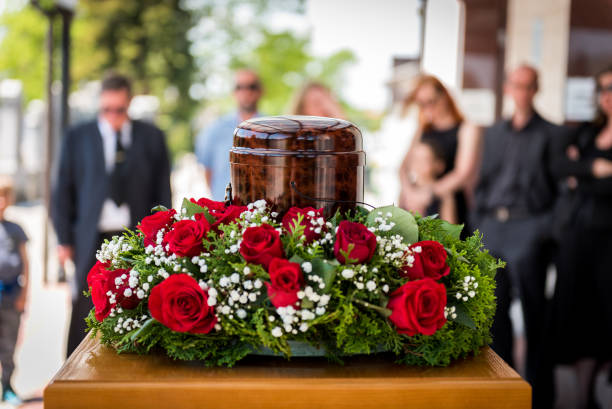
Within the vibrant subcontinental heritage of India, traditions associated with honoring an individual's passing stand as a timeless testament to community devotion. In every corner of the subcontinent, the rites dedicated to paying final respects demonstrate unmatched grace, historical roots, and mutual support. Far from viewing departure with isolated sorrow, these customs serve as a vital cultural bridge, fostering hospitality, deepening community ties, and upholding generational respect. The initial hours of the ceremonial gathering are spent in thoughtful, dignified preparation. Family members gather to perform traditional preparation rituals passed down through untold generations. The individual is adorned in clean, elegant garments tailored to regional heritage and personal status. In many traditions, classic white attire is selected, representing equality, calm reverence, and timeless grace. In other regional communities, festive cultural cloths are used to mark a life full of accomplishment and honor. Fragrant floral arrangements play an irreplaceable role within these home observances. Artistically woven wreaths of sweet jasmine, brilliant marigolds, and fresh roses are layered gracefully upon the resting platform. These floral decorations are far more than aesthetic adornments; they highlight the continuous beauty of life and family devotion. Anointing with cooling sandalwood, pure rose oils, and herbal extracts further highlights the aesthetic elegance and loving care embedded within the home-based preparations. A deeply moving and visually distinctive element in regional subcontinental customs is the solemn walk of honor from the family residence to the community resting grounds. Referred to as a collective march of respect, this peaceful walk along shared streets unites the broader neighborhood in mutual support. Fellow villagers and urban neighbors join together along the entry paths, dressed in modest, unadorned traditional white clothing showing total unity, equality, and shared respect. The loved one rests upon a traditional litter made from natural bamboo, adorned with fresh green leaves, traditional woven textiles, and rich floral garlands. As the procession moves through the streets, members of the community step forward to take turns carrying the frame upon their shoulders. This physical act of sharing the weight is a profound gesture of communal respect, symbolizing that no family carries the weight of a farewell alone. Throughout several cultural zones, the gentle chiming of bells and melodic flutes enhances the journey, offering a graceful auditory backdrop that honors the individual's legacy within the public sphere. The extraordinary variety of Indian heritage is clearly visible within the distinct farewell practices found across states and communities. While core values of respect and community remain universal, the outward ceremonial forms adapt uniquely across different climatic, geographic, and cultural zones. After the main day of farewell, subcontinental tradition observes a dedicated period of domestic hosting, generally spanning ten to thirteen days. During this timeframe, the family home becomes an open sanctuary for visiting friends, distant relatives, and community members who arrive to offer support, food, and companionship. Receiving guests with warmth remains a top priority. Simple, nutritious vegetarian meals are prepared daily in large quantities so every guest is comfortably welcomed and nourished. This tradition of sharing meals fosters deep emotional connection, helps visitors reflect on the individual's positive contributions, while guaranteeing that the family receives active help and daily supplies from neighbors. The closing of the formal hosting phase is celebrated with an extended neighborhood meal. Elders speak about the individual's life legacy and community service, ensuring that their oral history is transmitted to younger generations. Generous community donations—like sponsoring student materials, sharing food with local shelters, or donating textiles—are organized as a meaningful tribute, building a lasting legacy of kindness and civic care.
Kallahalli Crematorium Traditional communities in India meet this final transition with a unique blend of communal togetherness and structured ritualism. Across both historic towns and modern neighborhoods, the collective gathering of relatives, neighbors, and friends underpins every step of the cultural farewell. This social tradition provides a supportive atmosphere through which communities offer mutual support, demonstrate respect for elders, and celebrate the enduring influence of a person's life legacy.
Loving Preparation and Aesthetic Elegance
The White Procession: Community Solidarity in Motion
Element
Primary Material
Cultural Significance
Attire
Unadorned White Textiles
Symbolizes social equality, peace, and community unity.
Carrying Litter
Handcrafted Local Bamboo
Shows natural elegance and traditional utility.
Floral Adornments
Native Sweet Blossoms
Represents honor, aesthetic beauty, and respect.
Herbal Preparations
Herbal Extracts and Rose Oils
Provides sensory elegance and traditional purification.
Regional Expressions of Honor
Wilson Garden Electric Crematorium No matter if the community practices gentle earthen burial or ceremonial fire rites, the practice remains deeply rooted in local philosophy of restoring balance with the surrounding natural world through practices that prioritize environmental respect and cultural grace.
Communal Hospitality and Memorial Traditions
Final Reflections: Honor, Artistry, and Unity
Peenya Crematorium The farewell traditions of India present a masterclass of deep-seated hospitality, cultural elegance, and mutual care. By transforming a moment of farewell into a dignified celebration of cultural heritage, these practices highlight the power of family bonds and social networks. By combining fragrant floral arts, dignified processions, local customs, and charitable giving, communities across India pay magnificent tribute to their elders and keep their rich social fabric alive for years to come.