Cultural Tapestry of Farewell: Social Fabrics and Cultural Customaries in India
Wiki Article
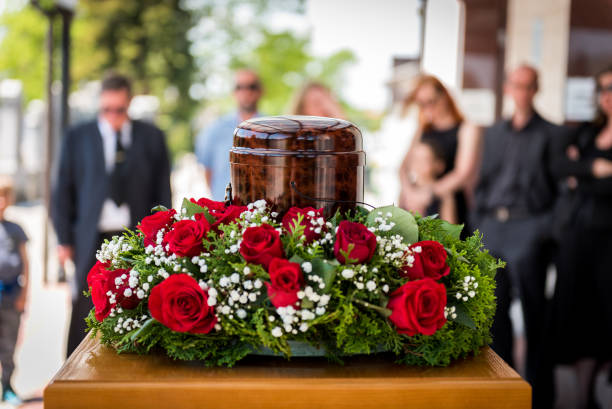
Throughout the rich cultural regions of India, traditions associated with honoring an individual's passing represent a profound expression of collective heritage. In every corner of the subcontinent, the traditions associated with honoring an individual's earthly chapter are rich with regional artistry, historical significance, and intricate social customs. Far from viewing departure with isolated sorrow, these practices establish a lasting connection, fostering hospitality, deepening community ties, and upholding generational respect. The immediate hours following a person's passing are spent in thoughtful, dignified preparation. Loved ones lovingly execute time-honored home traditions passed down through untold generations. The departed loved one is dressed in spotless traditional attire representing local artistic styles. In many traditions, classic white attire is selected, representing equality, calm reverence, and timeless grace. Among various ethnic lineages, traditional textiles featuring intricate patterns or specific cultural colors are selected to celebrate an elder's wisdom and societal contributions. Flowers hold a deeply meaningful place in these preparations. Artistically woven wreaths of sweet jasmine, brilliant marigolds, and fresh roses are carefully arranged around the individual. These colorful arrangements represent more than mere visual beauty; they represent the vibrant beauty of life and the honor bestowed by the family. The delicate use of natural sandalwood, rosewater, and native herbs further highlights the aesthetic elegance and loving care embedded within the home-based preparations. Among the most celebrated social features of these traditional farewells is the organized neighborhood procession leading from the home toward nature's resting site. Referred to as a collective march of respect, this movement through public space unites the broader neighborhood in mutual support. Fellow villagers and urban neighbors join together along the entry paths, garbed in white garments of respect creating a peaceful, harmonious visual atmosphere. The loved one rests upon a traditional litter crafted from sturdy local bamboo, decorated with fresh foliage and bright flowers. As the procession moves through the streets, participants share the responsibility of bearing the weight. This hands-on participation represents a meaningful tradition of communal respect, symbolizing that no family carries the weight of a farewell alone. In many regions, soft rhythmic beats from local instruments or classic brass arrangements guides the walkers, establishing a solemn and respectful mood that honors the individual's legacy within the public sphere. The extraordinary variety of Indian heritage is clearly visible within the distinct farewell practices found across states and communities. While core values of respect and community remain universal, the visual and artistic details differ wonderfully according to regional heritage and local ancestry. Once the initial rites conclude, family life shifts into a structured phase of quiet reflection, typically lasting between ten and thirteen days. Throughout these days, the domestic residence serves as a welcoming venue for neighbors, extended family lines, and well-wishers who arrive to offer support, food, and companionship. Hospitality during this period is a vital cultural requirement. Freshly cooked vegetarian meals are made each day to feed visiting neighbors, family, and travelers. This tradition of sharing meals fosters deep emotional connection, encourages the sharing of fond memories, and ensures that the grieving household is fully supported with daily necessities by the broader social network. The closing of the formal hosting phase is celebrated with an extended neighborhood meal. Senior relatives recount the person's life history, good deeds, and values, preserving family heritage for children and grandchildren. Generous community donations—like sponsoring student materials, sharing food with local shelters, or donating textiles—are traditionally performed in honor of the departed, building a lasting legacy of kindness and civic care.
Harishchandra Ghat Electric Crematorium Traditional communities in India meet this final transition with warm hospitality and deep cultural devotion. Whether in quiet country settlements or dense metropolitan districts, the active participation of the surrounding community serves as the primary pillar of support. This social tradition provides a supportive atmosphere allowing society to express gratitude, care for grieving households, and pass on oral histories.
Loving Preparation and Aesthetic Elegance
Processions of Honor: Community Unity
Element
Traditional Medium
Community Role
Dress Code
Simple White Cotton Garments
Represents purity, equality, and shared grief.
Resting Platform
Natural Bamboo and Rattan
Shows natural elegance and traditional utility.
Floral Adornments
Marigolds and Jasmine
Conveys family devotion and visual honor.
Aromatics
Cooling Sandalwood and Rose Essence
Provides sensory elegance and traditional purification.
Regional Expressions of Honor
Kengeri Crematorium Regardless of whether the final rites use natural earthen placement or traditional fire settings, the emphasis stays firmly placed on cultural values of restoring balance with the surrounding natural world with complete respect for the earth and ancestral eco-friendly customs.
Gatherings of Remembrance and Community Care
Summary: Timeless Values of Community Honor
Dead Body Transportation in Pune The funeral customs of India offer a rich tapestry in community togetherness, textile art, and social respect. By transforming a moment of farewell into a dignified celebration of cultural heritage, these traditions showcase the strength of human connection and collective support. With delicate floral craft, peaceful white processions, distinct regional arts, and open-door hosting, communities across India pay magnificent tribute to their elders while fortifying the enduring bonds of the community for generations to come.