Mastering Large Vehicle Logistics: Emergency Recovery and Highway Clearance
Wiki Article
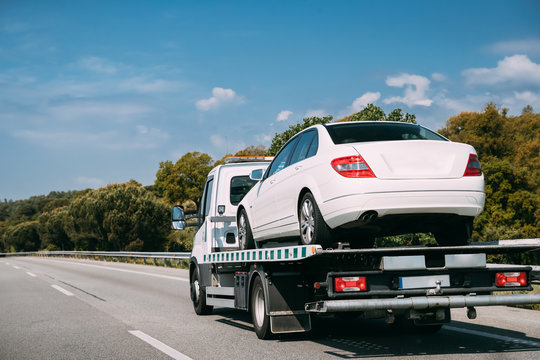
When commercial transport vehicles face unexpected mechanical breakdowns or roadway accidents, immediate specialized intervention is required to maintain highway safety. Managing heavy machinery calls for advanced operational knowledge to prevent structural damage during transport.
The logistical complexity of moving oversized machinery cannot be understated. Understanding the specialized mechanics behind commercial transport support empowers business owners to make informed logistics decisions.
The Operational Requirements of Large Vehicle Assistance
Unlike light-duty vehicle hauling, large-scale transport recovery involves calculating gross vehicle weight ratings (GVWR), managing load distribution, and applying specialized winching mechanics. Key operational factors distinguishing large vehicle support include:
- Specialized Recovery Fleet Deployments: Operators utilize heavy-duty rotators, extended boom cranes, and 50-ton winch systems capable of lifting fully loaded semi-trucks.
- Precise Load Stabilization Controls: Transporting massive equipment requires precise weight distribution calculations to comply with federal highway weight limits.
- Hazardous Site Clearance and Safety Protocols: Emergency recovery operations require setting up perimeter warning zones, lighting systems, and traffic diversion paths.
Emergency Roadside Threats to Fleet Operations
When structural failures or road hazards cause a vehicle to stop unexpectedly on busy freight corridors, specialized recovery becomes urgent. Below are common operational issues affecting commercial rigs on the road:
Pneumatic Brake System Failures:
When air pressure drops below critical thresholds, spring brakes lock automatically, immobilizing the vehicle completely.
Engine Overheating and Drivetrain Mechanical Breakdown:
Drivetrain breakdowns require disconnecting drive shafts prior to transport to avoid damaging internal gears.
Rollover Incidents and Off-Road Reclamations:
Rotator cranes use multi-point rigging systems to upright overturned trailers gently without rupturing cargo walls.
Tire Blowouts and Axle Damage:
Moving a rig with compromised axles requires specialized flatbed trailers or heavy-duty dollies.
Step-by-Step Response Strategy for Fleet Managers
When a breakdown occurs, clear communication between drivers, dispatchers, and recovery personnel is essential to resolve the situation safely. Fleet management teams should implement the following response steps:
Immediate Driver Safety Measures
Driver safety remains the paramount priority during any highway emergency. Communicating accurate GPS coordinates and reporting cargo specifics helps dispatchers select appropriate commercial towing apparatus instantly.
Securing Freight and Site Coordinates
- Assess Cargo Integrity: Confirm whether cargo is hazardous, temperature-sensitive, or top-heavy to inform the incoming recovery team.
- Provide Precise Telemetry: Share exact highway mile markers, cross streets, and directional lanes to speed up recovery arrival times.
- Record Scene Photographs: Capture images of vehicle positioning, road conditions, and structural damage for insurance records.
- Coordinate Repair Destination: Establish designated repair facilities or fleet yards in advance to streamline post-recovery transport.
Regulatory Frameworks Governing Large Vehicle Transport
Operating large-scale recovery equipment requires strict adherence to federal, state, and local transportation laws. Key regulatory areas include:
State and Federal Weight Limit Permitting:
Moving combined vehicles exceeding standard weight limits requires special permits from transportation authorities.
Hazardous Material Handling protocols:
Crews utilize absorbent materials, containment booms, and protective gear to manage hazardous fluids on site.
Professional Industry Accreditations:
Rigorous professional standards protect equipment, cargo, and human life during complex operations.
Conclusion: Building Reliable Partnerships for Fleet Continuity
From minor mechanical breakdowns to severe roadside rollovers, specialized recovery equipment ensures commercial vehicles are handled with professional care. By understanding equipment capabilities, emergency protocols, and regulatory requirements, fleet operators can manage unexpected breakdowns with confidence.
Prioritize vehicle safety, maintain strict maintenance schedules, and rely on experienced recovery professionals to keep your business moving forward.
Report this wiki page